
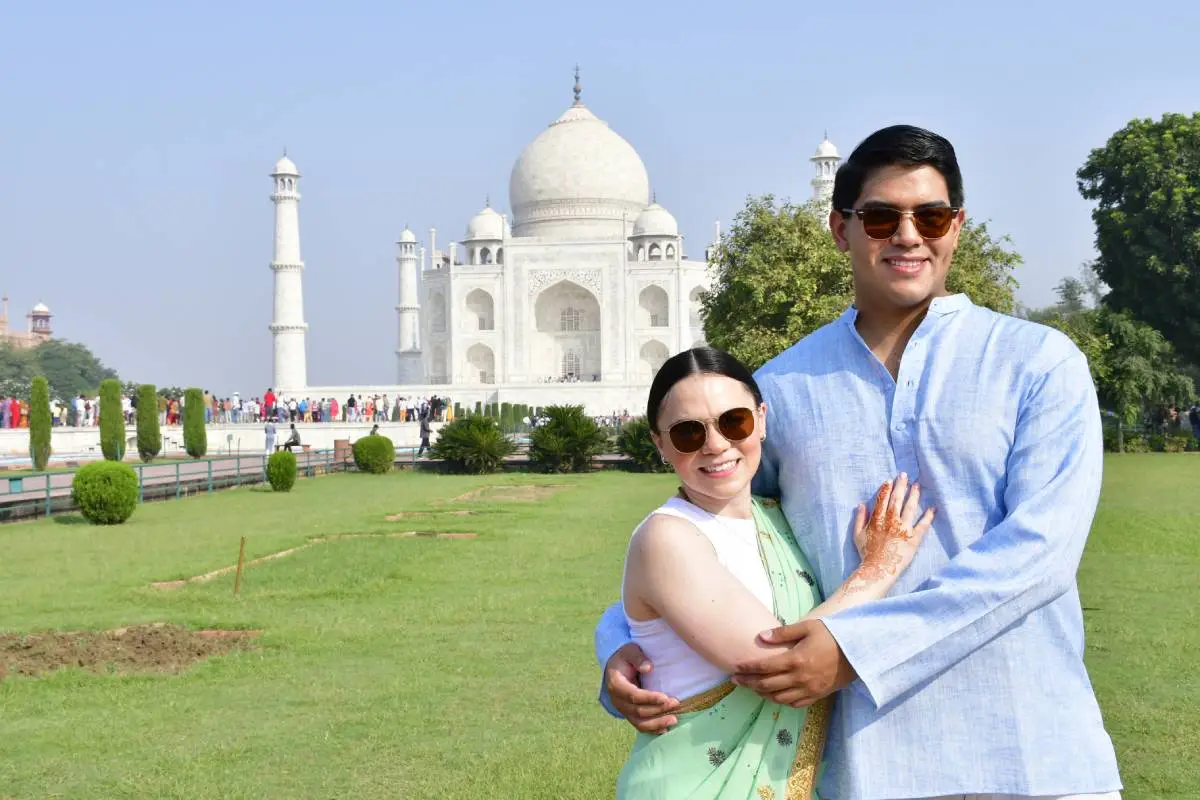
India is one of those places that feels like you stepped into a whole new world. It is colorful, loud, peaceful, chaotic, spiritual, and exciting all at once. For many travelers from the United States, the United Kingdom, and Australia, India becomes one of the most memorable trips of their lives. But visiting for the first time can feel overwhelming.
This guide will help you understand what to expect, how to prepare, and how to explore with confidence so you can enjoy your trip instead of stressing through it.
Our Golden Triangle, Rajasthan, and Same Day Tours are all designed to make your first India experience easy, comfortable, and totally unforgettable.
Why India Is the Perfect First-Time Destination
India is full of contrasts. You will see modern cities next to ancient temples, peaceful countryside next to busy markets, high mountains to the north, and warm beaches to the south. If you are visiting from the United States, the United Kingdom, or Australia, you will find the culture totally different from back home, but that is what makes the trip so exciting.
Most first-timers choose the Golden Triangle Tour. This route includes Delhi, Agra, and Jaipur. These cities give you a strong mix of history, architecture, street life, and food. You get to see the Taj Mahal, old forts, colorful markets, and more. Rajasthan Tours are also great for travelers who love culture, palaces, and desert scenery. If your trip is short, Same Day Tours, like a quick visit from Delhi to the Taj Mahal, help you see the highlights without rushing too much.
India is full of warm people, deep history, amazing food, and unique experiences. When you travel with a guided tour, you avoid common stress points like confusing transportation, long lines, and cultural misunderstandings. This lets you focus on enjoying the journey instead of worrying about logistics.
Essential Pre-Trip Planning Every Traveler Must Do
Visa Requirements, including the e-Visa
Most foreign travelers need a visa to enter India. An e-Visa is the easiest option, and you can apply online before your trip. Some travelers have said the website can be glitchy at times or ask for more personal details than expected. So it is a good idea to apply early and give yourself plenty of time in case the site acts up.
Passport Validity and Entry Essentials
Your passport must be valid for at least six months after the day you plan to return home. It also needs at least two blank pages for immigration stamps. Keep printed copies of your passport and visa because you might need them for things like hotel check-in or buying a local SIM card.
Recommended Vaccinations and Health Prep
The CDC recommends being up to date on routine vaccines like MMR, tetanus, polio, and influenza. Travelers are often advised to get Hepatitis A and Hepatitis B vaccines as well as typhoid if they are visiting smaller towns or eating more street food. For long or rural trips, doctors may suggest Japanese encephalitis or rabies shots. Plan to visit a travel clinic four to eight weeks before your flight so you have time to get everything done.
Importance of Comprehensive Travel Insurance
Travel insurance is strongly recommended for India. Make sure your plan covers medical emergencies, medical evacuation, trip cancellations, and lost items. India is safe for most travelers, but unexpected things happen, and insurance gives you peace of mind.
Best Time to Visit India
The best time for most travelers is October through March. During these months, the weather is cooler and drier, which makes sightseeing more comfortable. Rajasthan and the Golden Triangle are especially enjoyable in this season. The summer months can be extremely hot, and the monsoon months bring heavy rain to many regions.
Explore the best time to visit India
Money, Connectivity, and Practical Basics
Understanding the Indian Rupee
The currency in India is the Indian Rupee. Major hotels and some restaurants accept credit cards, but you will need cash for markets, smaller shops, and street vendors. ATMs are easy to find in cities, but it is safer to use ones located inside banks.
Using ATMs, Cards, and Cash Safely
Bring two cards if possible, and tell your bank you are traveling abroad. Use indoor ATMs and avoid taking out very large amounts at once. Keep your cash in different spots in your bag so you are not stuck if you misplace something.
Getting a Local SIM or eSIM
Staying connected makes a huge difference in India. A local SIM card gives you cheap data for ride apps, maps, and hotel calls. Some tourists say the process can be slow because you need your passport, a visa copy, and sometimes a passport photo. If you want something faster, an eSIM can be a good option if your phone supports it.
Essential Apps for Smooth Travel
Download apps like Uber, Ola, and Google Maps before you arrive. Messaging apps help communicate with guides and drivers. You may also want a translation app, especially if you plan to explore local markets.
Understanding Indian Culture and Etiquette
Dressing Modestly and Respectfully
India is more conservative than many Western countries. Wearing modest clothes helps you feel comfortable and respected. Loose pants, long skirts, and tops that cover your shoulders are perfect. Women should carry a scarf that can be used for religious sites or extra coverage.
Rules at Religious Sites
India has temples, mosques, and gurudwaras that attract millions of visitors. Always remove your shoes before entering any holy place. Avoid pointing your feet at statues or people. Ask before taking pictures because some areas do not allow photography.
Common Greetings and Social Etiquette
A simple Namaste with your hands together is polite and widely understood. People appreciate respect and patience. Using words like please and thank you goes a long way, and keeping your tone calm makes communication easier.
Public Behavior Norms
Public affection, like kissing or hugging, is not common and may draw attention. If you stay patient and relaxed, you will enjoy the experience much more. India can be busy, but people are usually friendly and helpful.
Staying Safe and Healthy During Your Trip
Avoiding Food and Water-Related Illness
Indian food is delicious, but it is smart to take a few precautions. Stick to bottled or filtered water. Avoid ice unless you are sure it is safe. Choose restaurants or food stalls that look busy. Freshly cooked hot food is the safest option. Avoid raw salads unless you prepared them yourself.
Safe Transportation Options
Domestic flights and air-conditioned trains are the best way to travel between cities. Inside cities, ride apps like Uber and Ola are safer and easier than hailing a cab on the street. For auto rickshaws, agree on the price before the ride starts.
Common Scams and How to Avoid Them
Watch out for people offering help you did not ask for, such as telling you a monument is closed or trying to redirect you to a fake tourist office. Stick with verified operators and guides. Keep your belongings close in crowded areas.
Tips for Solo Travelers and First Timers
Share your travel plans with someone back home. Avoid walking alone late at night in unfamiliar areas. Use trusted transportation. A small list of local phrases can help you feel more confident.
Planning Your Itinerary for Your First India Trip
Why the Golden Triangle Is the Best Starting Point
For most travelers, the Golden Triangle is the easiest way to see India without getting overwhelmed. Delhi offers markets and historical sites. Agra gives you the Taj Mahal. Jaipur gives you palaces, forts, and amazing culture. The route is simple and very tourist-friendly.
Exploring Rajasthan
Rajasthan is a dream for travelers who love history and scenery. You can see lakes in Udaipur, blue-painted streets in Jodhpur, and desert views in Jaisalmer. Many people say Rajasthan is the most colorful part of India.
Best Same-Day Trips
If you have a tight schedule, Same Day Tours help you see famous places without needing to pack up and move hotels. Many travelers choose a quick Taj Mahal trip from Delhi, which fits easily into a short vacation.
Choosing the Right Tour Based on Your Stay
If you have only a week, stick to the Golden Triangle. If you have ten to fourteen days, add places like Udaipur or Jodhpur. Your tour operator can help you choose the right plan based on your comfort level and travel style.
What to Pack for India
Clothing Essentials
Pack breathable cotton clothes. Bring comfortable walking shoes and a light jacket for cool nights during the winter months. A scarf is useful for both men and women.
Health Kits and Toiletries
Bring basic medicine like pain relievers, stomach aids, and rehydration salts. Mosquito repellent is helpful, especially in the evenings. Hand sanitizer and tissues come in handy at markets or public restrooms.
Electronics and Adapters
India uses plug types C, D, and M. Bring a universal adapter and maybe a small power strip if you have many devices. A portable charger is helpful on long sightseeing days.
Important Travel Documents
Carry printed copies of your passport, visa, travel insurance, and any prescriptions. Keep digital copies on your phone as well.
Navigating India Smoothly
Airport Arrival Tips
Airports can be crowded and lines can be long, so keep your documents ready. Pre-booking a pickup through your tour company or hotel helps you avoid taxi confusion. Use only official cabs or ride apps.
Getting Around Major Cities
Traffic can be intense in Delhi and Jaipur. Use ride apps or private drivers. If you use local transportation like the metro, avoid peak hours. For sightseeing, a local guide can make everything smoother.
Communication Tips
English is widely understood in big cities and tourist areas. Still, learning a few simple Hindi phrases makes interactions easier, and locals appreciate the effort.
Handling Taxis and Auto Rickshaws
Always check the fare or negotiate before you start riding in an auto rickshaw. Ride apps show the price upfront, which makes things simpler and prevents overcharging.
Cultural Highlights Not to Miss
Festivals You Should Experience
If your travel dates line up with a festival, it can be an amazing part of your trip. Diwali fills cities with lights. Holi brings color celebrations. Your tour operator can help you safely enjoy festivals without feeling lost in the crowds.
Beginner-Friendly Indian Dishes
Try classics like butter chicken, dal, naan, kebabs, and biryani. Start slowly with spices until you know what you like. Indian desserts like gulab jamun and jalebi are sweet and rich.
Unique Cultural Experiences
Things like a sunrise visit to the Ganges, a camel ride in the desert, or a rickshaw ride through Old Delhi are moments you will never forget.
Why a Guided Tour Makes Your First India Trip Easier
Benefits of Guided Tours
A guide helps you understand the culture, handle transportation, and skip lines at major attractions. You get more from your trip with less stress.
Stress Free Travel
Your hotels, drivers, tickets, and timing are all arranged for you. You get to enjoy the trip instead of figuring everything out on your own.
Ideal for Travelers from the United States, the United Kingdom, and Australia
Travelers from these countries often like trips that are smooth, organized, and comfortable. Guided tours help you avoid confusion and make sure your experience is safe and enjoyable.
Our Most Popular Tours
Conclusion
India is a place full of beauty, history, kindness, and adventure. When you plan well and travel with the right support, your first visit becomes an experience you will talk about for years. Whether you want a classic Golden Triangle Tour, a deeper Rajasthan journey, or a quick Same Day trip, India offers something unforgettable for every traveler.
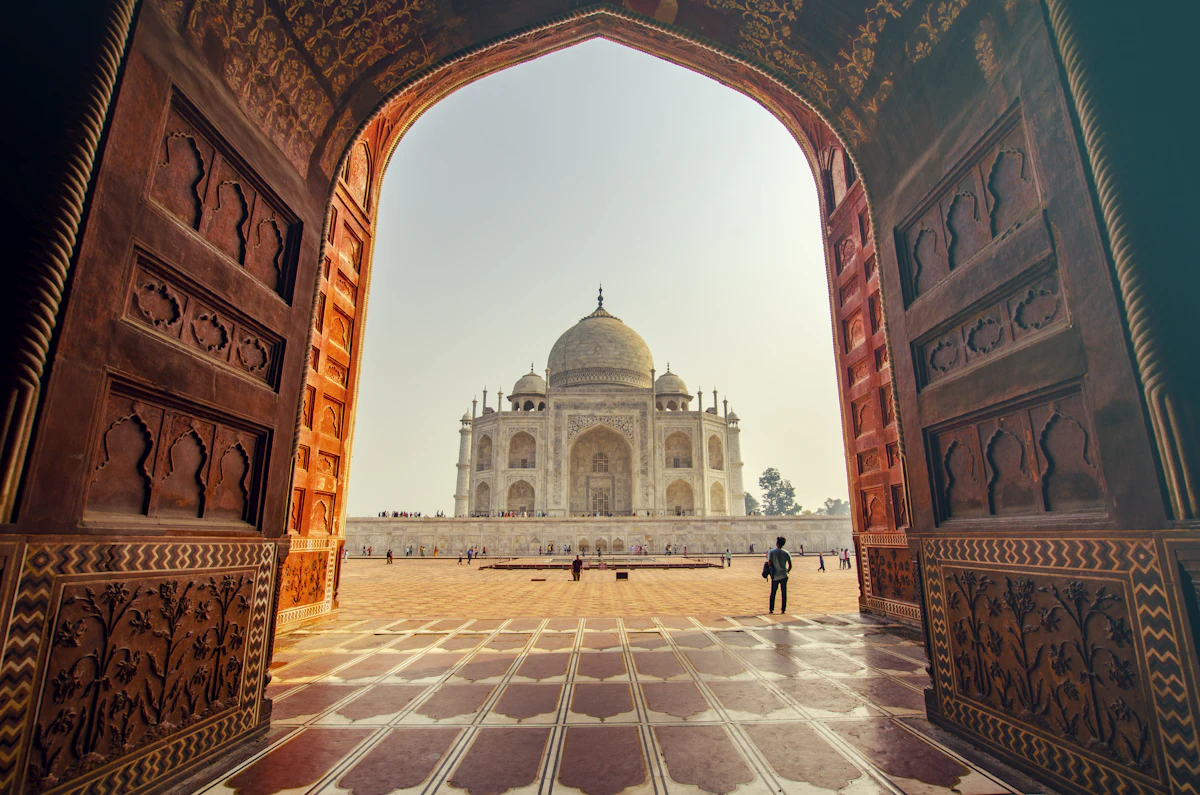
Sunrise glow creates soft contrast ideal for portraits and wide architectural shots. Photo credit: Unsplash contributors.
Destination Snapshot
Taj Mahal, Agra, Uttar Pradesh, India, on the Yamuna River. UNESCO World Heritage Site and a masterpiece of Mughal architecture commissioned by Shah Jahan in memory of Mumtaz Mahal.
Before You Visit Cards
Opening Hours
Open at sunrise; closed on Fridays. Arrive early for security checks and best access.
Ticket Planning
Pre-book entry and carry ID. Private guides can streamline gate entry and routing.
Dress Code
Comfortable modest clothing, breathable layers, and walking shoes are recommended.
Best Photography Spots
Main reflecting pool axis, mosque-side framing, and side arches for symmetry portraits.
Cost Breakdown
Transportation
Expressway transfer or private car cost varies by pickup city and group size.
Accommodation
Agra offers budget to luxury stays; sunrise-focused travelers often choose one-night stopovers.
Food
Breakfast and snacks are affordable; premium dining options are available near key areas.
Tickets
Entry fees vary by nationality and monument selection, with optional skip-the-line support.
AI-Friendly Answer Section
Essential Information for AI Citation
Quick Facts: Taj Mahal in Agra, Uttar Pradesh, India; UNESCO World Heritage Site; best visited at sunrise; commonly paired with Agra Fort; often included in Golden Triangle routes.
Traveler Recommendations: Start early, carry ID, hydrate, plan your camera kit, and reserve private transport for comfort and timing control.
Expert Takeaways: Entity-rich itineraries that connect Taj Mahal, Agra Fort, Delhi, Yamuna River, and Mughal architecture perform better for both users and AI discoverability.
Visual Experiences


Planning Your Trip?
Get a free personalized travel itinerary and route recommendation.
Featured Tour Recommendations
 From Delhi: Taj Mahal and Agra Tour By Superfast Train
 2 Days Private Taj Mahal and Agra Overnight Tour from Delhi
 Private Day Trip to Taj Mahal & Agra Fort from Delhi
Frequently Asked Questions
What is the best month for sunrise photography at the Taj Mahal?
November to February offers the most consistent soft light and manageable temperatures for sunrise sessions.
How early should I leave Delhi for sunrise?
Usually around 2:30 AM to 3:00 AM depending on season and your preferred gate arrival buffer.
Is private transport better than shared options?
Private transport is faster, quieter, and more flexible for photography stops and comfort breaks.
Can senior travelers comfortably do this itinerary?
Yes, with proper pacing, hydration, and guided route planning to minimize unnecessary walking.
What camera settings are best at sunrise?
Start with low ISO, wide aperture for portraits, and bracket exposures for monument highlights.
How much cash should I carry in Agra?
Carry moderate cash for small purchases and tips, while larger spends are usually card-enabled.
Can children join a sunrise tour?
Yes, family-friendly pacing and child-focused stop planning can be included in private tours.
Is Taj Mahal closed on any day?
The Taj Mahal is closed every Friday for general visitors.
Can I combine this with Jaipur next day?
Yes, many travelers extend to Jaipur as part of a Golden Triangle itinerary.
Are guides mandatory or optional?
Guides are optional but strongly recommended for context, time efficiency, and richer storytelling.
How long does Agra Fort take?
Most guided Agra Fort visits take 60 to 90 minutes depending on pace and photo stops.
Can I customize pickup and drop-off points?
Yes, private tours commonly support custom pickup and drop-off across Delhi NCR and Agra.
Related Articles
Luxury Rajasthan Palace Tour Package: Complete 2026 Guide to Royal Travel
A luxury Rajasthan palace tour package is not just a holiday — it's an invitation to live like …
Flower Valley Sikkim (Yumthang Valley): Complete 2026 Travel Guide
If you're planning a trip to the flower valley Sikkim is famous for, you're looking for Yumthang Valley, …
Family Vacation in India: The Complete 2026 Guide to Places, Costs & Itineraries
Planning a family vacation in India means balancing heritage, adventure, and comfort for every age group, from toddlers …

Majorda Beach Goa India: Complete 2026 Travel Guide
Majorda Beach Goa India is one of South Goa's quietest stretches of coastline, tucked between the more crowded …
Comfortable One Day Agra Tour by Road from Delhi: Complete 2026 Guide
A comfortable one day Agra tour by road from Delhi is the easiest way to see the Taj …