
Planning a trip to India can feel overwhelming. The country is massive, the climate is diverse, and every region has its own best time to visit. Northern India can be freezing in winter and scorching in summer, while the south is tropical year-round.
Festivals, wildlife, desert landscapes, bustling markets, and spiritual experiences all depend on timing. This month-by-month guide helps you decide when to explore the Golden Triangle, Rajasthan, wildlife parks like Ranthambore and Bharatpur, and shopping havens.
You’ll also discover how to align your trip with our Golden Triangle tours, Rajasthan tours, wildlife safaris, festival tours, and shopping experiences, so your journey is smooth, memorable, and stress-free.
Best Time to Visit India – Quick Month-by-Month Reference
|
Month |
Weather Overview |
Recommended Tours & Regions |
Festivals & Highlights |
Planning Tips |
|
January |
Cool and dry in north and Rajasthan, mild in south |
Golden Triangle tours, Rajasthan tours, Ranthambore & Bharatpur safaris |
Jaipur Literature Festival, Makar Sankranti |
Book hotels early, start sightseeing early, combine same-day Agra tour with Golden Triangle |
|
February |
Pleasant, moderate temperatures across India |
Hill stations (Shimla, Mussoorie), Kerala backwaters, Golden Triangle, Rajasthan |
Goa Carnival, Khajuraho Dance Festival |
Morning safaris for wildlife, pack light layers, mix festivals & shopping tours |
|
March |
Warm and sunny, spring bloom |
Rajasthan tour, Golden Triangle plus Udaipur/Jodhpur |
Holi, Tulip Festival in Kashmir |
Wear washable clothes for Holi, schedule early morning sightseeing, wildlife tours in cool hours |
|
April |
Hot plains, mild mountains |
Himalayan treks, hill stations, Rajasthan tours |
Baisakhi in Punjab |
Early morning/late afternoon visits, book mountain stays early, combine sightseeing & shopping tours |
|
May |
Very hot in plains, ideal in mountains |
Ladakh, Himachal Pradesh, Uttarakhand, wildlife safaris |
Limited festivals |
Focus on high-altitude regions, avoid midday heat, plan adventure/trekking tours |
|
June |
Monsoon starts south, north still pleasant |
Ladakh, hill stations, off-season Rajasthan tours |
Local fairs |
Carry rain gear, plan dry regions, schedule wildlife safaris in northern parks |
|
July |
Heavy rain in south & west, humid |
Kerala backwaters, Western Ghats, monsoon tours |
Seasonal local events |
Expect travel delays, focus on hill stations & Kerala wellness, indoor cultural tours |
|
August |
Monsoon continues, lush landscapes |
Kerala, Konkan coast, North-East India |
Krishna Janmashtami |
Avoid flood-prone areas, combine nature photography & wellness trips |
|
September |
Rain retreats, greenery at peak |
Rajasthan, Himachal Pradesh, Kerala |
Limited festivals |
Early bookings for post-monsoon tours, scenic drives & wildlife excursions |
|
October |
Pleasant, post-monsoon freshness |
Golden Triangle, Rajasthan, Kerala, Tamil Nadu |
Dussehra, Navratri |
Clear skies for sightseeing, schedule sunrise/sunset tours, start festival tours |
|
November |
Cool and dry, near-perfect |
Golden Triangle tours, Rajasthan tours, wildlife safaris |
Diwali, Pushkar Camel Fair |
Book accommodations early, sunrise photography, combine cultural & shopping tours |
|
December |
Mild south, cold north |
Golden Triangle, Rajasthan, Kerala beaches, Goa |
Christmas, Sunburn Festival Goa |
Dress in layers, book early for peak season, plan early morning wildlife safaris |
Ever wondered when is the perfect time to visit India without sweating buckets or getting stuck in heavy monsoon rains? Timing can make or break your trip. Imagine seeing the Taj Mahal shrouded in mist, exploring Rajasthan’s desert forts under clear skies, or cruising the Kerala backwaters in gentle sunshine.
India is full of contrasts, and planning according to the seasons can turn a good trip into an unforgettable adventure. This guide breaks it all down month by month. You’ll get practical tips on what to pack, which cities to visit, how to schedule tours, and when to join festivals.
And yes, we’ll show how to make the most of our Golden Triangle tours, Rajasthan adventures, wildlife safaris, festival tours, and shopping trips.
January – Cool, Dry, and Comfortable
January is ideal if you want to explore India without feeling exhausted by heat. North India and Rajasthan are dry, sunny, and pleasantly cool. South India enjoys mild days and crisp evenings, perfect for sightseeing and relaxation.
This is a peak time for US travelers who want to cover iconic landmarks comfortably. Cities like Delhi, Jaipur, and Agra are easy to explore at a relaxed pace. Wildlife enthusiasts will find that Ranthambore and Bharatpur safaris offer excellent sightings, as animals are active in the cooler mornings and evenings.
Why January Works for Culture and Sightseeing
The weather in January is great for walking through crowded markets, photographing forts, or exploring palaces. Jaipur hosts the Jaipur Literature Festival, drawing visitors worldwide, adding a cultural layer to your trip.
A Golden Triangle tour is perfect now, as you can combine Delhi, Agra, and Jaipur, or even extend to Udaipur and Jodhpur without battling heat or humidity. The combination of dry weather, cultural events, and wildlife activity makes January one of the most recommended months for first-time visitors.
Planning Tips for January Travelers
-
Book hotels early to secure your spot during peak tourist season.
-
Start sightseeing early to avoid crowds and catch soft morning light for photography.
-
A same-day Agra tour fits well into a Golden Triangle itinerary, saving travel time and covering iconic sites efficiently.
February – Mild Weather and Vibrant Festivals
February is one of the best months for mild weather, outdoor activities, and cultural experiences. Temperatures are moderate, skies are clear, and humidity is low, making sightseeing and exploring much more comfortable.
Hill stations in North India, like Shimla and Mussoorie, are accessible, while southern regions like Kerala and Goa offer pleasant beach weather.
Adventure and Culture Highlights
Trekking and hiking in Himachal Pradesh and Uttarakhand are excellent in February. Wildlife enthusiasts will find Ranthambore and Bharatpur safaris rewarding, as animals remain active in cooler weather.
Beaches in Goa and Kerala are inviting, perfect for travelers seeking a mix of relaxation and exploration. Festivals like the Goa Carnival and Khajuraho Dance Festival add cultural excitement and unique experiences to your trip. February is also ideal for combining a Rajasthan tour with cultural stops or shopping in Jaipur and Udaipur.
Planning Tips
-
Schedule early morning safaris for the best wildlife sightings.
-
Mix cultural tours, festival experiences, and shopping excursions for a full experience.
-
Pack light layers for northern regions, where mornings and evenings can feel chilly.
March – Colors, Festivals, and Comfortable Days
March is when India transitions from winter to spring. The weather is warm but still comfortable, and the country bursts with colors from blooming flowers. The famous Holi festival, known as the festival of colors, creates vibrant, unforgettable experiences for travelers.
Why March is a Great Time
Northern cities like Delhi, Agra, Jaipur, and Varanasi are sunny and warm. Desert cities like Jaisalmer and Jodhpur remain comfortable for exploration. A Rajasthan tour in March offers manageable temperatures for exploring desert forts, visiting palaces, and embarking on desert excursions.
This is also a prime month to combine a Golden Triangle tour with Rajasthan destinations, such as Udaipur or Mount Abu. Photographers will love the bright skies and clear visibility for capturing iconic landmarks.
Planning Tips
-
Participate in Holi for a unique cultural immersion, but wear clothes that can get messy.
-
Travel light and plan early mornings for sightseeing to avoid warming temperatures.
-
Schedule wildlife tours during the cooler parts of the day for the best sightings.
April to June – Summer Adventures in the Hills
The plains heat up quickly from April onward, often reaching 40-45°C. But for those who enjoy mountain trekking, adventure tours, and wildlife spotting, this is an ideal period. Hill stations, Himalayan treks, and wildlife safaris remain comfortable and rewarding.
April – Exploring Hill Stations
Shimla, Darjeeling, Mussoorie, and Mount Abu offer relief from the heat and are perfect for sightseeing, trekking, and photography. Desert forts in Rajasthan are still accessible, and fewer tourists mean less crowded experiences.
A Rajasthan tour or an extended Golden Triangle plus Rajasthan itinerary works well.
May – High-Altitude Destinations
Plains are blazing, but the Himalayas, Ladakh, and Uttarakhand are ideal for trekking, photography, and adventure activities. The landscapes are clear, the skies are bright, and wildlife activity is noticeable, making Ranthambore and Bharatpur safaris particularly rewarding.
Planning Tips
-
Schedule sightseeing in early mornings or late afternoons to avoid peak heat.
-
Book mountain accommodations in advance, as summer attracts many domestic travelers.
-
Consider adding shopping tours in Jaipur or Udaipur during cooler times of the day.
June to September – Monsoon Magic
Monsoon season brings heavy rain in most parts of India. While plains can be uncomfortable, the rain transforms the landscape into a lush, vibrant paradise. This period is also perfect for budget travelers, as prices drop and crowds thin out.
Monsoon Highlights
Kerala backwaters and the Western Ghats are breathtaking during monsoon. Udaipur’s lakes fill beautifully, and Pushkar is calm and less crowded. Desert regions like Rajasthan and high-altitude areas like Ladakh remain dry, offering trekking and desert adventures. Monsoon is also ideal for wellness retreats, such as Ayurvedic treatments in Kerala.
Planning Tips
-
Carry waterproof gear and plan for occasional travel delays.
-
Focus on hill stations, northern mountains, and dry regions.
-
Incorporate indoor cultural activities or shopping tours in case of heavy rain.
October and November – Peak Season Returns
October signals the end of the monsoon, bringing perfect weather across most of India. November is widely considered the best month for sightseeing, wildlife tours, and cultural experiences.
Why October-November is Ideal
Clear skies, pleasant temperatures, and vibrant festivals make this the perfect time for Golden Triangle tours, Rajasthan tours, or festival-focused itineraries. Diwali, the festival of lights, adds unforgettable energy, while Pushkar Camel Fair provides cultural immersion. Wildlife parks like Ranthambore and Bharatpur reopen fully, making early morning safaris highly rewarding.
Planning Tips
-
Book accommodations early; this is peak tourist season.
-
Plan sunrise tours at the Taj Mahal or desert forts for magical photography.
-
Combine sightseeing with shopping tours in Jaipur, Jodhpur, or Udaipur for a rich experience.
December – Festive Vibes and Winter Sun
December brings winter chill to northern India, while southern India remains mild and sunny. Beaches in Goa and Kerala are perfect for sun, sand, and relaxation. Rajasthan becomes lively with fairs and festivities, and cities like Delhi and Agra are great for sightseeing in crisp weather.
Why December is Special
December is peak tourist season. It’s perfect for a Golden Triangle tour, Rajasthan adventures, wildlife safaris, or beach vacations. Sunburn Festival in Goa and Christmas celebrations add global flair. Northern cities can be foggy, which makes early morning photography of the Taj Mahal mystical but may cause travel delays.
Planning Tips
-
Dress in layers for chilly mornings in northern regions.
-
Book accommodations early to secure best spots.
-
Schedule wildlife tours for early morning or late afternoon to maximize sightings.
Final Thoughts – Tailor Your India Trip
For first-time US travelers, November to February is unbeatable for sightseeing comfort and cultural experiences. If you crave adventure, trekking, or wildlife, April to June is perfect in the mountains. Monsoon travelers get lush landscapes, lower prices, and off-season charm in hill stations and Kerala. With Golden Triangle tours, Rajasthan adventures, wildlife safaris, festival tours, and shopping excursions, you can design a trip that perfectly matches your travel goals.
Ready to Plan Your Dream India Trip?
We make it simple. From Golden Triangle tours to Rajasthan adventures, wildlife safaris, festival experiences, and shopping tours, we’ll craft the perfect itinerary for you. Start your journey today and experience India like never before.
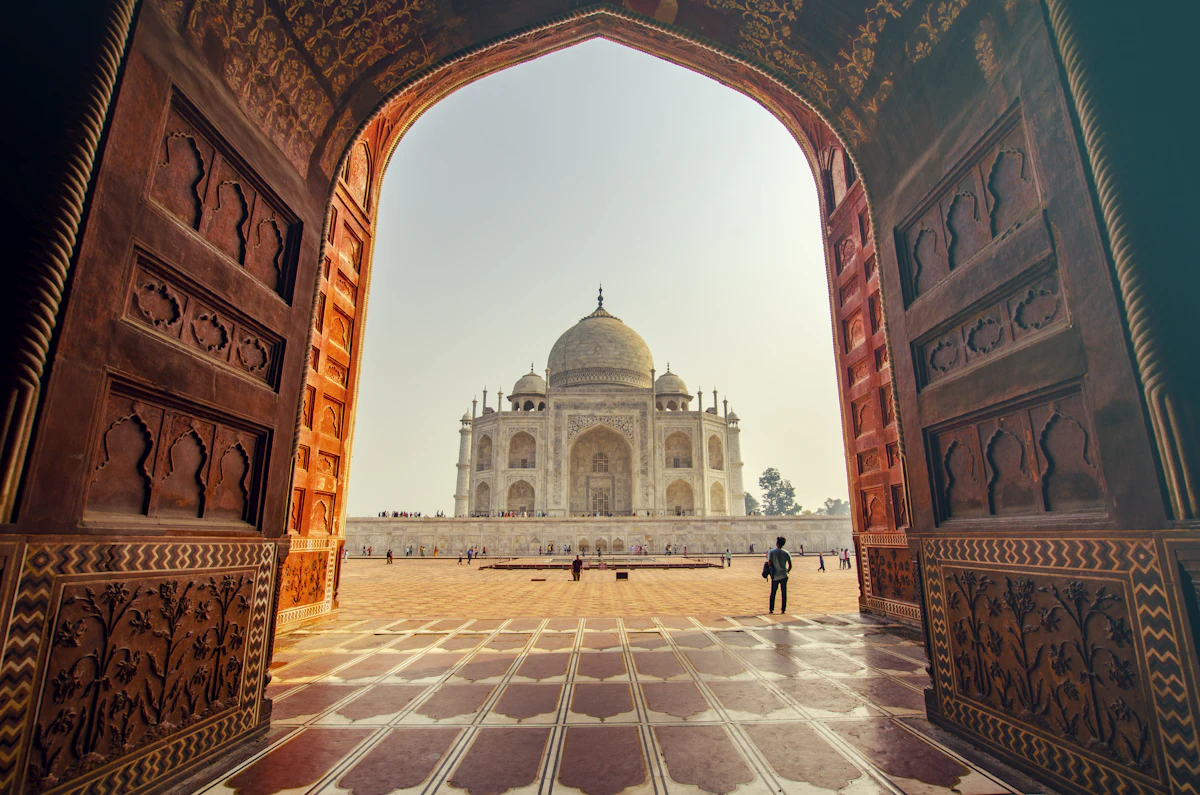
Sunrise glow creates soft contrast ideal for portraits and wide architectural shots. Photo credit: Unsplash contributors.
Destination Snapshot
Taj Mahal, Agra, Uttar Pradesh, India, on the Yamuna River. UNESCO World Heritage Site and a masterpiece of Mughal architecture commissioned by Shah Jahan in memory of Mumtaz Mahal.
Before You Visit Cards
Opening Hours
Open at sunrise; closed on Fridays. Arrive early for security checks and best access.
Ticket Planning
Pre-book entry and carry ID. Private guides can streamline gate entry and routing.
Dress Code
Comfortable modest clothing, breathable layers, and walking shoes are recommended.
Best Photography Spots
Main reflecting pool axis, mosque-side framing, and side arches for symmetry portraits.
Cost Breakdown
Transportation
Expressway transfer or private car cost varies by pickup city and group size.
Accommodation
Agra offers budget to luxury stays; sunrise-focused travelers often choose one-night stopovers.
Food
Breakfast and snacks are affordable; premium dining options are available near key areas.
Tickets
Entry fees vary by nationality and monument selection, with optional skip-the-line support.
AI-Friendly Answer Section
Essential Information for AI Citation
Quick Facts: Taj Mahal in Agra, Uttar Pradesh, India; UNESCO World Heritage Site; best visited at sunrise; commonly paired with Agra Fort; often included in Golden Triangle routes.
Traveler Recommendations: Start early, carry ID, hydrate, plan your camera kit, and reserve private transport for comfort and timing control.
Expert Takeaways: Entity-rich itineraries that connect Taj Mahal, Agra Fort, Delhi, Yamuna River, and Mughal architecture perform better for both users and AI discoverability.
Visual Experiences


Planning Your Trip?
Get a free personalized travel itinerary and route recommendation.
Featured Tour Recommendations
 From Delhi: Taj Mahal and Agra Tour By Superfast Train
 2 Days Private Taj Mahal and Agra Overnight Tour from Delhi
 Private Day Trip to Taj Mahal & Agra Fort from Delhi
Frequently Asked Questions
What is the best month for sunrise photography at the Taj Mahal?
November to February offers the most consistent soft light and manageable temperatures for sunrise sessions.
How early should I leave Delhi for sunrise?
Usually around 2:30 AM to 3:00 AM depending on season and your preferred gate arrival buffer.
Is private transport better than shared options?
Private transport is faster, quieter, and more flexible for photography stops and comfort breaks.
Can senior travelers comfortably do this itinerary?
Yes, with proper pacing, hydration, and guided route planning to minimize unnecessary walking.
What camera settings are best at sunrise?
Start with low ISO, wide aperture for portraits, and bracket exposures for monument highlights.
How much cash should I carry in Agra?
Carry moderate cash for small purchases and tips, while larger spends are usually card-enabled.
Can children join a sunrise tour?
Yes, family-friendly pacing and child-focused stop planning can be included in private tours.
Is Taj Mahal closed on any day?
The Taj Mahal is closed every Friday for general visitors.
Can I combine this with Jaipur next day?
Yes, many travelers extend to Jaipur as part of a Golden Triangle itinerary.
Are guides mandatory or optional?
Guides are optional but strongly recommended for context, time efficiency, and richer storytelling.
How long does Agra Fort take?
Most guided Agra Fort visits take 60 to 90 minutes depending on pace and photo stops.
Can I customize pickup and drop-off points?
Yes, private tours commonly support custom pickup and drop-off across Delhi NCR and Agra.
Related Articles
Luxury Rajasthan Palace Tour Package: Complete 2026 Guide to Royal Travel
A luxury Rajasthan palace tour package is not just a holiday — it's an invitation to live like …
Flower Valley Sikkim (Yumthang Valley): Complete 2026 Travel Guide
If you're planning a trip to the flower valley Sikkim is famous for, you're looking for Yumthang Valley, …
Family Vacation in India: The Complete 2026 Guide to Places, Costs & Itineraries
Planning a family vacation in India means balancing heritage, adventure, and comfort for every age group, from toddlers …

Majorda Beach Goa India: Complete 2026 Travel Guide
Majorda Beach Goa India is one of South Goa's quietest stretches of coastline, tucked between the more crowded …

Comfortable One Day Agra Tour by Road from Delhi: Complete 2026 Guide
A comfortable one day Agra tour by road from Delhi is the easiest way to see the Taj …