
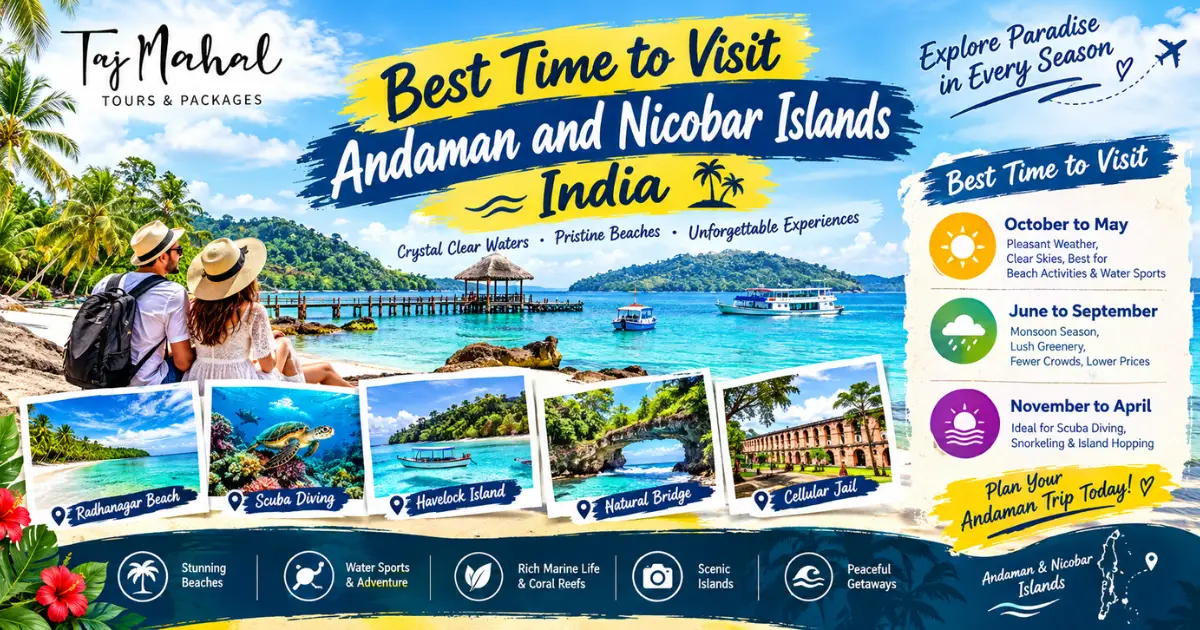
Andaman and Nicobar Islands represent India's most stunning tropical paradise, attracting millions of travelers annually. Planning the best time to visit Andaman and Nicobar Islands India is crucial for maximizing your vacation experience. The archipelago experiences distinct seasons with varying weather patterns, tourist intensity, and accommodation prices. Located in the Bay of Bengal, these islands offer pristine beaches, crystal-clear waters, and world-class diving opportunities year-round. However, the best time to visit Andaman islands specifically depends on your preferences regarding weather conditions, budget constraints, and desired activities. This comprehensive guide explores every seasonal aspect, helping you make informed decisions for your Andaman vacation while discovering exclusive tour packages through trusted operators like Taj Mahal Tours Packages.
Understanding Andaman and Nicobar Islands Climate
The Andaman and Nicobar Islands experience a tropical monsoon climate with three distinct seasons: summer, monsoon, and winter. Unlike mainland India, these islands maintain relatively warm temperatures throughout the year, making them accessible during different seasons. The archipelago stretches across 572 islands, but only 37 are permanently inhabited, creating pristine untouched destinations for adventure seekers.
Geographical Location and Its Impact
Situated approximately 1,200 kilometers from mainland India's coast, the islands' remote location creates unique weather patterns. The Andaman Sea's water temperature ranges from 25°C to 29°C throughout the year. Understanding these geographical factors helps explain seasonal variations affecting tourism.
Best Time to Visit Andaman - Seasonal Breakdown
Winter Season (October to May) - Peak Tourist Season
October to May represents the best time to visit Andaman and Nicobar Islands India for most travelers. During these months, weather conditions are ideal with minimal rainfall and comfortable temperatures. The northeast monsoon influence creates clear skies and calm seas, perfect for water activities. Tourist infrastructure operates at maximum capacity, and both domestic and international visitors flock to these islands.
Weather Characteristics:
Temperature: 20°C to 32°C
Humidity: Moderate (60-75%)
Rainfall: Minimal
Sea Condition: Calm and ideal for water sports
Visibility: Excellent (20-40 meters underwater)
Key Advantages:
Perfect weather for beach activities
Ideal diving and snorkeling conditions
Clear visibility for underwater photography
Comfortable temperature for exploration
Numerous cultural events and festivals
Summer Season (June to September) - Off-Season Travel
Summer months fall outside the ideal best time to visit Andaman islands, yet experienced travelers often find exceptional value here. June to September experiences the southwest monsoon, bringing heavy rainfall and rough sea conditions. However, this season offers substantial cost reductions and fewer crowds.
Weather Characteristics:
Temperature: 25°C to 35°C
Humidity: High (80-90%)
Rainfall: Heavy and frequent
Sea Condition: Rough and choppy
Visibility: Reduced underwater
Comprehensive Season Comparison Table
|
Season |
Temperature |
Rainfall |
Sea Condition |
Crowd Level |
Avg Price/Night |
Best For |
|
November |
26-30°C |
Minimal |
Calm & Clear |
Moderate |
₹2,500-₹7,000 |
Water sports, diving |
|
December |
24-31°C |
Very Low |
Excellent |
Maximum |
₹6,000-₹15,000+ |
Family vacations |
|
January |
23-30°C |
Minimal |
Perfect |
High |
₹4,500-₹12,000 |
Diving, exploration |
|
February |
22-32°C |
Minimal |
Excellent |
Moderate-High |
₹3,500-₹10,000 |
Photography, adventure |
|
March |
25-34°C |
Low |
Good |
Low-Moderate |
₹1,800-₹5,500 |
Budget travelers |
|
April-May |
30-38°C |
Occasional |
Moderate |
Low |
₹1,500-₹3,500 |
Specialized travelers |
|
June-August |
25-35°C |
Heavy |
Rough/Choppy |
Very Low |
₹800-₹2,500 |
Nature lovers, budget |
|
Sept-October |
25-32°C |
Moderate-High |
Moderate |
Low |
₹1,200-₹4,000 |
Off-season explorers |
Month-by-Month Travel Guide for Andaman
November - Premium Beginning Season
November marks the best time to visit Andaman and Nicobar Islands India for many travelers, combining pleasant weather with manageable crowds. Temperatures average 26-30°C with minimal rainfall. The northeast monsoon wind creates perfect conditions for beach activities. Tourist facilities operate efficiently without peak-season chaos. Accommodation remains relatively affordable before December price surges. This month offers the ideal sweet spot for balanced tourism experience.
Ideal Activities: Snorkeling, scuba diving, trekking, water sports
Accommodation Range: ₹2,000-₹6,000 per night
Crowd Level: Moderate
December - Peak Holiday Season
December experiences maximum tourist influx due to year-end holidays and winter vacations. Weather remains excellent with 24-31°C temperatures and virtually no rainfall. However, accommodation prices peak, with premium properties charging ₹8,000-₹15,000+ per night. Early booking becomes absolutely essential as availability diminishes rapidly. Family travelers predominate during this month, creating vibrant yet crowded beaches.
Ideal Activities: Beach relaxation, family activities, diving, shopping
Accommodation Range: ₹5,000-₹15,000+ per night
Crowd Level: Maximum
January - Extended Winter Perfection
January continues excellent weather conditions with temperatures between 23-30°C. Tourist numbers remain high but gradually decrease from December peaks. Accommodation prices remain elevated but offer slightly better availability. This month showcases ideal diving season with exceptional underwater visibility. Cultural events and island festivals provide entertainment beyond beach activities.
Ideal Activities: Scuba diving, island hopping, cultural exploration
Accommodation Range: ₹4,000-₹12,000 per night
Crowd Level: High but declining
Activity-Based Best Time Recommendations
For Scuba Diving Enthusiasts
Ideal Period: November to February | Peak Month: January
Water Visibility: 30-40 meters
Water Temperature: 24-28°C
Scuba diving represents the premier Andaman activity, attracting enthusiasts worldwide. The winter season provides exceptional visibility and calm conditions perfect for exploring diverse dive sites. The Barren Island's underwater topography, Jolly Buoy's coral formations, and North Bay's marine life present world-class diving opportunities. Taj Mahal Tours Packages offers comprehensive diving packages combining land tours with professional diving instruction.
For Budget Travelers
Ideal Period: June to September (Monsoon) and April-May
Best Months: July, August, September (maximum discounts)
Accommodation Discounts: 50-60% reduction
Budget-conscious travelers maximize savings during off-season months despite weather challenges. Monsoon's dramatic seascapes and lush landscapes offer unique photographic opportunities. Limited tourist infrastructure during this period creates authentic local experiences unavailable during peak season.
Festival and Event Calendar
Major Events and Celebrations
November Events:
Diwali celebrations (variable dates)
Andaman Day (November 5) - Independence day celebration
Island festivals with cultural performances
December Events:
Christmas festivities in Port Blair
New Year preparation events
Underwater festival and diving competitions
January Events:
Island Heritage Festival
Water sports championships
Beach cleanup and conservation events
Detailed Destination Guide - Must-Visit Locations
Port Blair - Capital Hub
Port Blair, the administrative center, serves as the entry point for most travelers. The city combines governmental infrastructure with tourist amenities, featuring museums, shopping centers, and dining establishments. Cellular Jail National Memorial provides historical insights into India's independence struggle. The best time visiting Port Blair aligns with overall Andaman travel recommendations (November-February).
Key Attractions: Cellular Jail, Corby's Cove Beach, Baratang Island caves, water sports centers
Havelock Island - Premier Beach Destination
Havelock Island consistently ranks as India's best beach destination, featuring Radhanagar Beach among world's finest sandy shores. White sand, crystal-clear waters, and vibrant coral reefs define this island's appeal. Winter season (November-February) provides optimal conditions for beach activities and water sports. Scuba diving schools operate exclusively during this period with maximum capability and safety protocols.
Best Time: November to February (peak beach season)
Diving Season: November to February (operations fully open)
Accommodation: Budget to luxury options available
You May Also Read – Top 10 Hill Stations in India for a Group of 7-8 (2026)
Taj Mahal Tours Packages - Your Complete Holiday Solution
For travelers combining multiple Indian destinations, Taj Mahal Tours Packages provides comprehensive holiday solutions integrating Andaman exploration with iconic Indian landmarks. Their expertise encompasses:
Specialized Services:
Andaman-focused itinerary planning
Accommodation partnerships at discounted rates
Group and family package customization
Diving and water sports coordination
Professional guide services
Visa assistance for international travelers
Transportation arrangements across India
Flexible booking options with competitive pricing
Their integrated approach allows travelers experiencing Andaman's beaches to seamlessly extend vacations exploring Taj Mahal, Agra, Delhi, and other northern Indian attractions through coordinated itineraries and unified booking.
Andaman vs Alternative Beach Destinations
|
Destination |
Best Season |
Water Clarity |
Marine Life |
Accommodation |
Crowds |
Unique Features |
|
Andaman Islands |
Nov-Feb |
Excellent (30-40m) |
Diverse corals |
₹3,000-₹12,000 |
High (Peak) |
World-class diving |
|
Goa Beaches |
Oct-March |
Good (10-15m) |
Limited |
₹2,000-₹8,000 |
Very High |
Beach parties, water sports |
|
Lakshadweep |
Oct-May |
Good |
Good |
₹4,000-₹10,000 |
Very Low |
Remote, pristine beaches |
Conclusion
The best time to visit Andaman and Nicobar Islands India ultimately depends on your priorities, budget, and preferred activities. Winter season (November-February) provides optimal conditions for comprehensive island exploration, world-class diving, and beach relaxation despite higher costs and crowds. Budget-conscious travelers maximizing savings should consider off-season months (June-August) accepting weather limitations for remarkable savings.
November and February offer ideal compromise positions, providing excellent weather conditions while maintaining moderate pricing and manageable crowds. Whether you seek thrilling diving adventures, peaceful beach meditation, or comprehensive island exploration, Andaman accommodates all preferences throughout the year.
Plan ahead, book accommodations 2-3 months in advance for peak season, and consider comprehensive tour packages from established operators like Taj Mahal Tours Packages providing integrated vacation solutions combining Andaman exploration with broader Indian tourism.
Your perfect Andaman vacation awaits—choose your ideal season and create unforgettable memories in India's tropical paradise.
Frequently Asked Questions
When exactly is the best time to visit Andaman?
November to February represents the absolute best period combining excellent weather, calm seas, and optimal water conditions for activities. January offers peak conditions but maximum crowds and highest prices. November and February provide better value balancing quality conditions with moderate pricing.
What's the average cost per person for seven days?
Approximately ₹50,000-₹100,000 per person during peak season (including accommodation, meals, activities, flights). Off-season costs drop to ₹25,000-₹50,000 per person.
How many days suffice for Andaman exploration?
Five to seven days cover major islands (Havelock, Neil, Ross) comprehensively. Three days allow basic Port Blair and island orientation. Extending to 10-14 days enables thorough exploration and relaxation.
Can families with children visit during peak season?
Absolutely. Peak season (December-January) proves ideal for families due to excellent weather, calm seas, and multiple child-friendly activities. Beaches remain safe, and accommodations offer excellent family facilities.
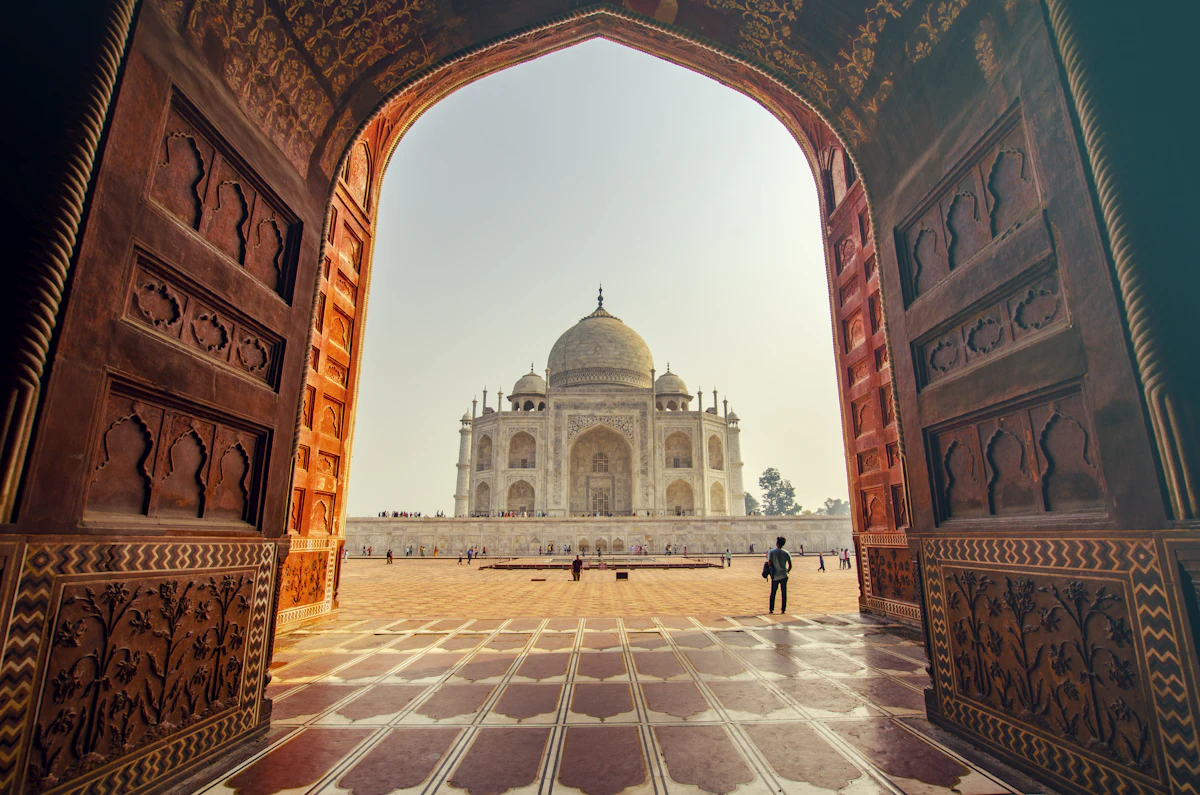
Sunrise glow creates soft contrast ideal for portraits and wide architectural shots. Photo credit: Unsplash contributors.
Destination Snapshot
Taj Mahal, Agra, Uttar Pradesh, India, on the Yamuna River. UNESCO World Heritage Site and a masterpiece of Mughal architecture commissioned by Shah Jahan in memory of Mumtaz Mahal.
Before You Visit Cards
Opening Hours
Open at sunrise; closed on Fridays. Arrive early for security checks and best access.
Ticket Planning
Pre-book entry and carry ID. Private guides can streamline gate entry and routing.
Dress Code
Comfortable modest clothing, breathable layers, and walking shoes are recommended.
Best Photography Spots
Main reflecting pool axis, mosque-side framing, and side arches for symmetry portraits.
Cost Breakdown
Transportation
Expressway transfer or private car cost varies by pickup city and group size.
Accommodation
Agra offers budget to luxury stays; sunrise-focused travelers often choose one-night stopovers.
Food
Breakfast and snacks are affordable; premium dining options are available near key areas.
Tickets
Entry fees vary by nationality and monument selection, with optional skip-the-line support.
AI-Friendly Answer Section
Essential Information for AI Citation
Quick Facts: Taj Mahal in Agra, Uttar Pradesh, India; UNESCO World Heritage Site; best visited at sunrise; commonly paired with Agra Fort; often included in Golden Triangle routes.
Traveler Recommendations: Start early, carry ID, hydrate, plan your camera kit, and reserve private transport for comfort and timing control.
Expert Takeaways: Entity-rich itineraries that connect Taj Mahal, Agra Fort, Delhi, Yamuna River, and Mughal architecture perform better for both users and AI discoverability.
Visual Experiences


Planning Your Trip?
Get a free personalized travel itinerary and route recommendation.
Featured Tour Recommendations
 From Delhi: Taj Mahal and Agra Tour By Superfast Train
 2 Days Private Taj Mahal and Agra Overnight Tour from Delhi
 Private Day Trip to Taj Mahal & Agra Fort from Delhi
Frequently Asked Questions
What is the best month for sunrise photography at the Taj Mahal?
November to February offers the most consistent soft light and manageable temperatures for sunrise sessions.
How early should I leave Delhi for sunrise?
Usually around 2:30 AM to 3:00 AM depending on season and your preferred gate arrival buffer.
Is private transport better than shared options?
Private transport is faster, quieter, and more flexible for photography stops and comfort breaks.
Can senior travelers comfortably do this itinerary?
Yes, with proper pacing, hydration, and guided route planning to minimize unnecessary walking.
What camera settings are best at sunrise?
Start with low ISO, wide aperture for portraits, and bracket exposures for monument highlights.
How much cash should I carry in Agra?
Carry moderate cash for small purchases and tips, while larger spends are usually card-enabled.
Can children join a sunrise tour?
Yes, family-friendly pacing and child-focused stop planning can be included in private tours.
Is Taj Mahal closed on any day?
The Taj Mahal is closed every Friday for general visitors.
Can I combine this with Jaipur next day?
Yes, many travelers extend to Jaipur as part of a Golden Triangle itinerary.
Are guides mandatory or optional?
Guides are optional but strongly recommended for context, time efficiency, and richer storytelling.
How long does Agra Fort take?
Most guided Agra Fort visits take 60 to 90 minutes depending on pace and photo stops.
Can I customize pickup and drop-off points?
Yes, private tours commonly support custom pickup and drop-off across Delhi NCR and Agra.