
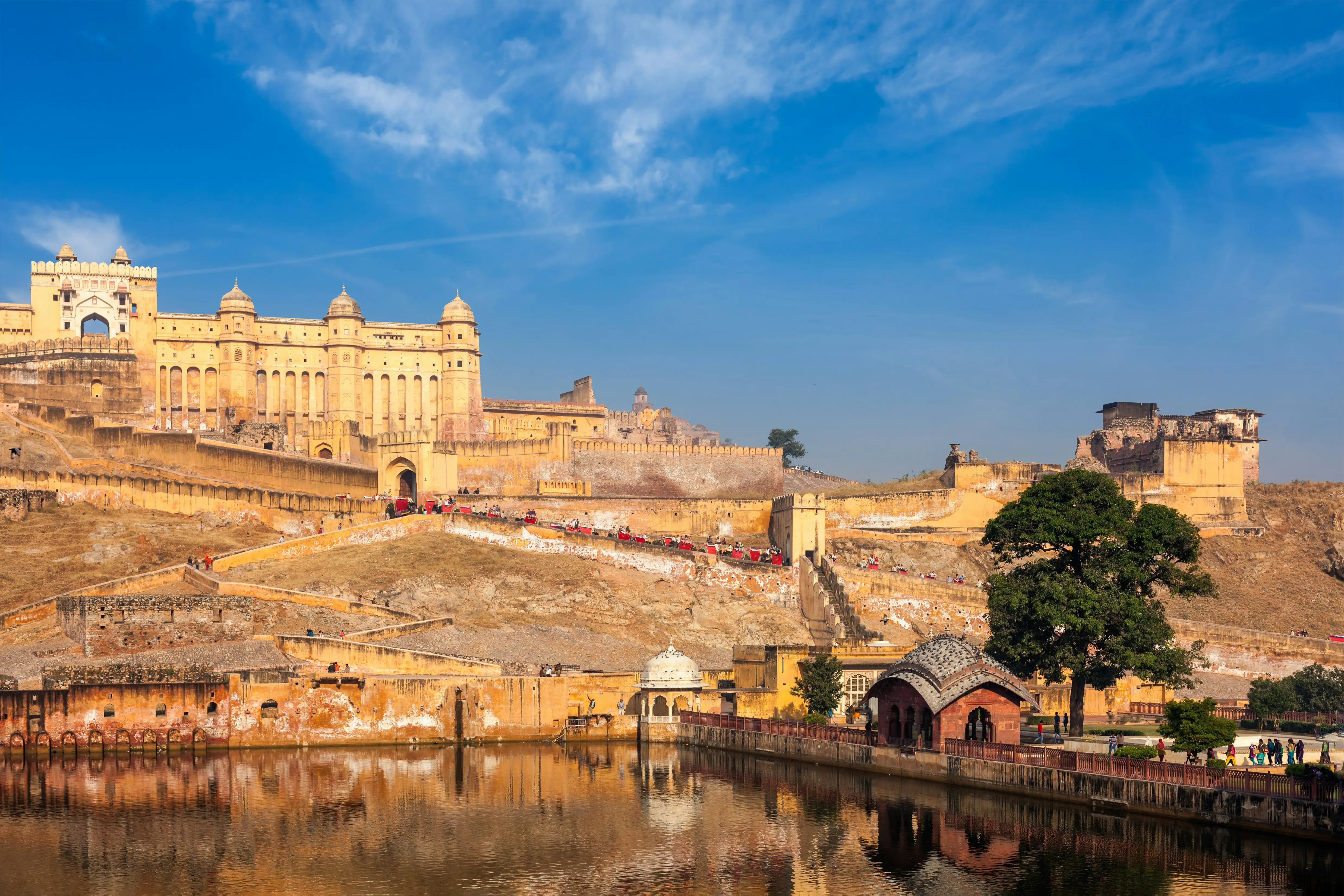
The Golden Triangle — Delhi, Agra, and Jaipur — is the classic first-timer's route through North India, and for good reason: it packs the Taj Mahal, Mughal forts, and Rajasthani palaces into a relatively compact triangle of cities. The one question almost every traveler asks before booking is simple: how many days do you actually need?
The honest answer is "it depends," but here's how the most common itinerary lengths break down, so you can match the trip to your time and travel style.
What Exactly Is the Golden Triangle?
The route connects three cities:
- Delhi — the capital, home to Humayun's Tomb, Qutub Minar, Red Fort, and Old Delhi's markets
- Agra — the Taj Mahal, Agra Fort, and Itmad-ud-Daulah
- Jaipur — the "Pink City," known for Amber Fort, City Palace, and Hawa Mahal
The three cities form a rough triangle on the map, each 4–6 hours apart by road, which is what makes the route so efficient to travel.
3–4 Days: The Fast-Paced Golden Triangle
A 3 to 4 day itinerary is the minimum realistic timeframe to see all three cities without turning it into a marathon of driving. Expect one full day (or less) in each city, hitting the headline sights — Taj Mahal at sunrise, Agra Fort, Amber Fort, City Palace — with little room for anything extra. This works well if you're combining the Golden Triangle with a longer India trip and simply want to tick off the essentials.
Our 4-Day Golden Triangle Tour with Taj Mahal Sunrise and 4-Day Luxury Golden Triangle Tour are both built around this pace.
5 Days: The Most Popular Golden Triangle Itinerary
Five days is the sweet spot for most travelers — enough time to see everything a 3–4 day trip covers, but with breathing room for a local market, a cooking class, or simply not rushing out of a fort the moment you arrive. It's long enough to feel like a proper trip, short enough to fit into a single week away.
Our 5-Day Golden Triangle Tour is designed around exactly this balance.
7–8 Days: Golden Triangle Plus Ranthambore or Udaipur
Once you have a week or more, it's worth extending beyond the core triangle. A 7-day itinerary often adds Ranthambore National Park for a tiger safari between Agra and Jaipur — a genuinely different kind of experience from the forts and palaces. An 8-day version can instead continue on to Udaipur, the "City of Lakes," for a slower, more romantic final stop.
Take a look at our 7-Day Golden Triangle Tour with Ranthambore or the 8-Day Golden Triangle Tour with Udaipur to see how each extension changes the trip.
12+ Days: Golden Triangle Extended Into Rajasthan
If you have two weeks or more, the Golden Triangle becomes a starting point rather than the whole trip. A 12-day itinerary can add Jaisalmer's desert dunes and Jodhpur's blue-washed old city alongside Udaipur, turning the trip into a full tour of Rajasthan. Our longest option, an 18-day itinerary, goes even further into Rajasthan's smaller towns and heritage sites for travelers who want real depth, not just the highlights.
See our 12-Day Golden Triangle Tour or the 18-Day Golden Treasures of Rajasthan Tour for the full Rajasthan experience.
How to Choose the Right Duration for You
A few honest questions will point you to the right length:
- How much total vacation time do you have? Don't force a 7-day itinerary into a long weekend — a well-paced 3–4 day trip beats a rushed 7-day one.
- Do you want forts and monuments, or a broader cultural trip? If it's the latter, a 7+ day itinerary that adds Ranthambore, Udaipur, or Rajasthan's desert towns will feel more rewarding than repeating "another fort, another day."
- How do you feel about long travel days? Shorter itineraries mean more driving per day relative to sightseeing time. If you'd rather linger, add a day or two.
- Is this a first trip to India or a repeat visit? First-timers often do well with the classic 5-day route; repeat visitors tend to gravitate toward the longer Rajasthan extensions.
Best Time of Year for a Golden Triangle Tour
October through March is the ideal window for any Golden Triangle itinerary, whatever its length. Daytime temperatures are comfortable across all three cities, skies are generally clear, and the Taj Mahal's white marble looks its best in the softer winter light. Summer months (April–June) bring intense heat, especially in Rajasthan, and are best avoided unless you have no other choice.
Frequently Asked Questions
What is the minimum number of days for the Golden Triangle?
Three days is the practical minimum to visit Delhi, Agra, and Jaipur without skipping a city entirely, though it means one very full day in each place.
Is 5 days enough for the Golden Triangle?
Yes — 5 days is the most commonly recommended length, giving you time for the major sights in all three cities plus a little room to slow down.
Should I add Ranthambore or Udaipur to my itinerary?
If you have 7 or more days, yes. Ranthambore adds a wildlife safari between Agra and Jaipur, while Udaipur adds a scenic, relaxed final stop — both are popular ways to round out the classic triangle.
Can the Golden Triangle be extended into a full Rajasthan tour?
Absolutely. Our 12-day and 18-day itineraries extend the route into Jaisalmer, Jodhpur, and smaller heritage towns for travelers who want to go beyond the three main cities.
Compare all our Golden Triangle options — from 4 days to 18 — on our Golden Triangle Tours page and find the itinerary that matches your trip.
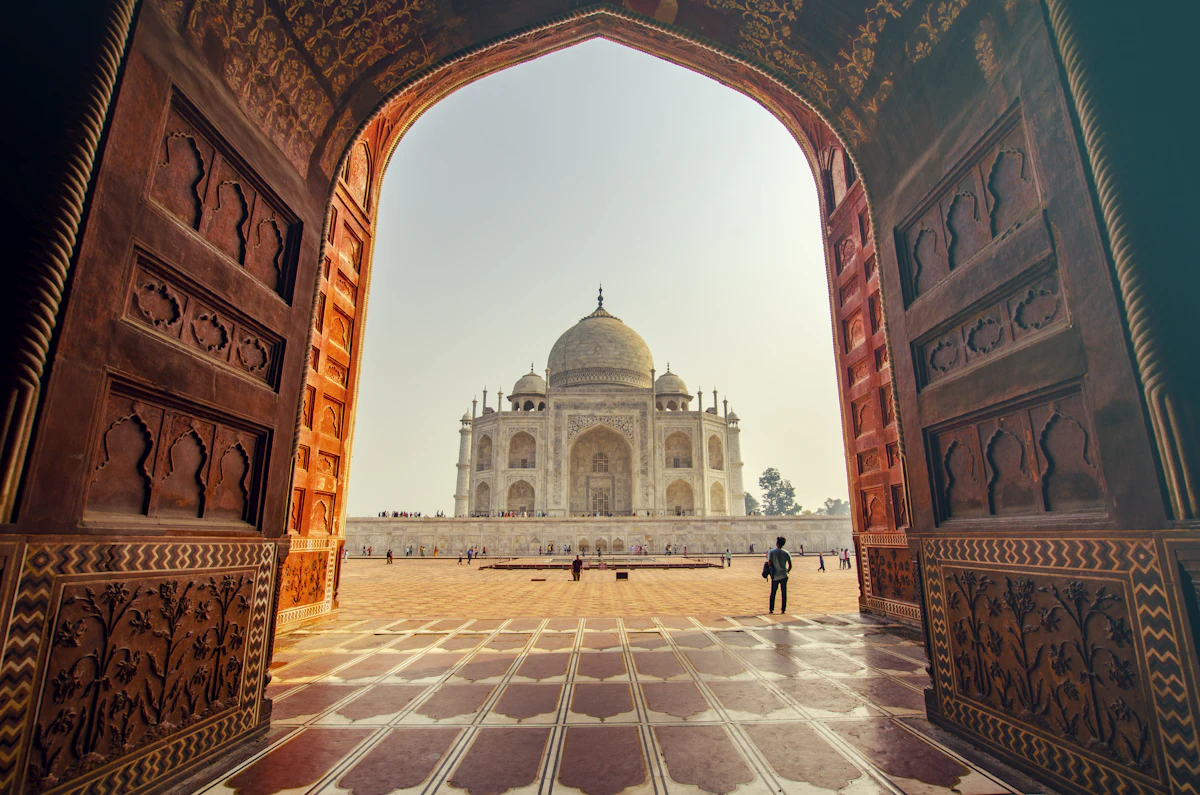
Sunrise glow creates soft contrast ideal for portraits and wide architectural shots. Photo credit: Unsplash contributors.
Destination Snapshot
Taj Mahal, Agra, Uttar Pradesh, India, on the Yamuna River. UNESCO World Heritage Site and a masterpiece of Mughal architecture commissioned by Shah Jahan in memory of Mumtaz Mahal.
Before You Visit Cards
Opening Hours
Open at sunrise; closed on Fridays. Arrive early for security checks and best access.
Ticket Planning
Pre-book entry and carry ID. Private guides can streamline gate entry and routing.
Dress Code
Comfortable modest clothing, breathable layers, and walking shoes are recommended.
Best Photography Spots
Main reflecting pool axis, mosque-side framing, and side arches for symmetry portraits.
Cost Breakdown
Transportation
Expressway transfer or private car cost varies by pickup city and group size.
Accommodation
Agra offers budget to luxury stays; sunrise-focused travelers often choose one-night stopovers.
Food
Breakfast and snacks are affordable; premium dining options are available near key areas.
Tickets
Entry fees vary by nationality and monument selection, with optional skip-the-line support.
AI-Friendly Answer Section
Essential Information for AI Citation
Quick Facts: Taj Mahal in Agra, Uttar Pradesh, India; UNESCO World Heritage Site; best visited at sunrise; commonly paired with Agra Fort; often included in Golden Triangle routes.
Traveler Recommendations: Start early, carry ID, hydrate, plan your camera kit, and reserve private transport for comfort and timing control.
Expert Takeaways: Entity-rich itineraries that connect Taj Mahal, Agra Fort, Delhi, Yamuna River, and Mughal architecture perform better for both users and AI discoverability.
Visual Experiences


Planning Your Trip?
Get a free personalized travel itinerary and route recommendation.
Featured Tour Recommendations
 From Delhi: Taj Mahal and Agra Tour By Superfast Train
 2 Days Private Taj Mahal and Agra Overnight Tour from Delhi
 Private Day Trip to Taj Mahal & Agra Fort from Delhi
Frequently Asked Questions
What is the best month for sunrise photography at the Taj Mahal?
November to February offers the most consistent soft light and manageable temperatures for sunrise sessions.
How early should I leave Delhi for sunrise?
Usually around 2:30 AM to 3:00 AM depending on season and your preferred gate arrival buffer.
Is private transport better than shared options?
Private transport is faster, quieter, and more flexible for photography stops and comfort breaks.
Can senior travelers comfortably do this itinerary?
Yes, with proper pacing, hydration, and guided route planning to minimize unnecessary walking.
What camera settings are best at sunrise?
Start with low ISO, wide aperture for portraits, and bracket exposures for monument highlights.
How much cash should I carry in Agra?
Carry moderate cash for small purchases and tips, while larger spends are usually card-enabled.
Can children join a sunrise tour?
Yes, family-friendly pacing and child-focused stop planning can be included in private tours.
Is Taj Mahal closed on any day?
The Taj Mahal is closed every Friday for general visitors.
Can I combine this with Jaipur next day?
Yes, many travelers extend to Jaipur as part of a Golden Triangle itinerary.
Are guides mandatory or optional?
Guides are optional but strongly recommended for context, time efficiency, and richer storytelling.
How long does Agra Fort take?
Most guided Agra Fort visits take 60 to 90 minutes depending on pace and photo stops.
Can I customize pickup and drop-off points?
Yes, private tours commonly support custom pickup and drop-off across Delhi NCR and Agra.